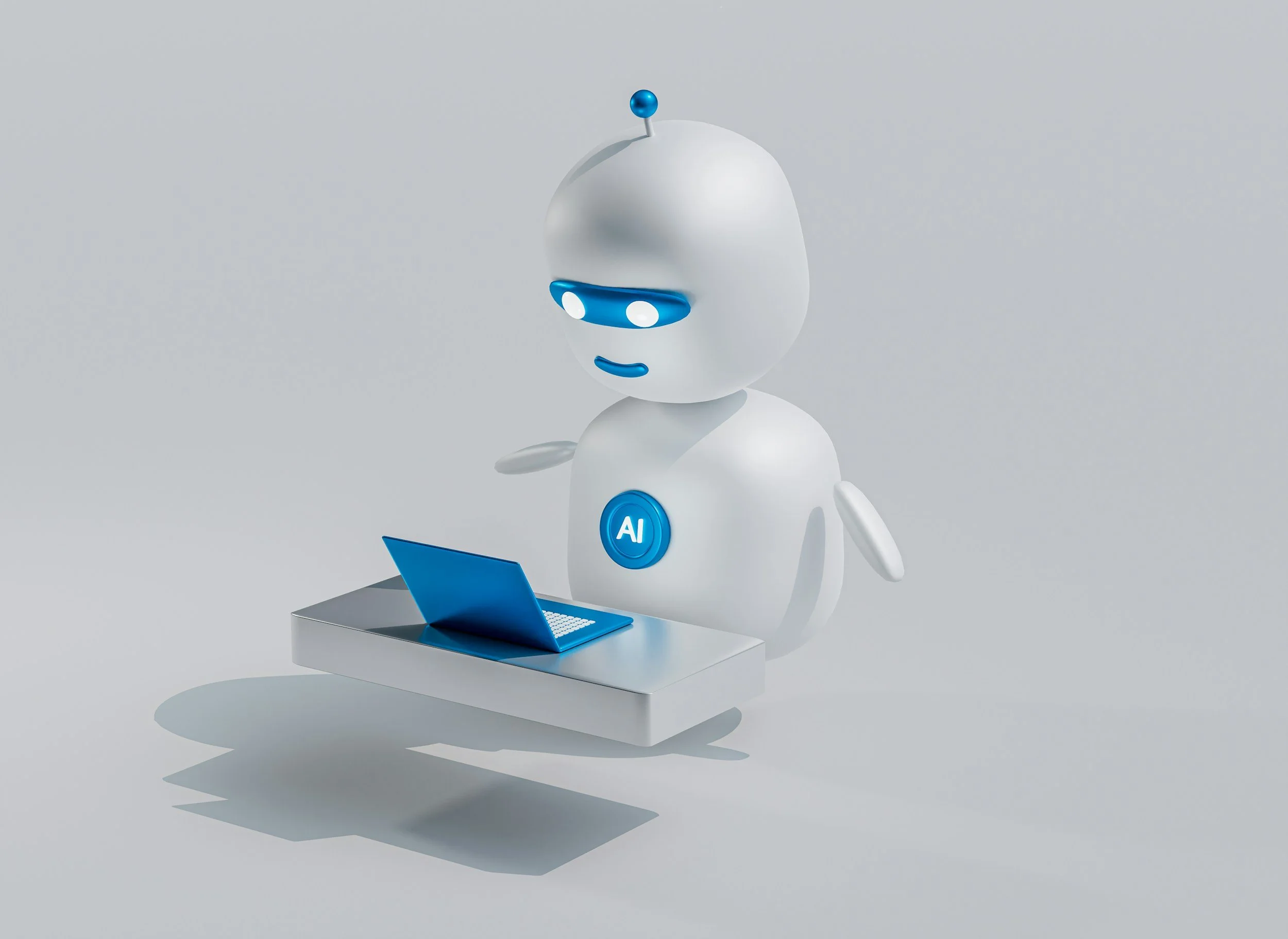
Artificial intelligence (AI) has come a long way in recent years, and AI-powered writing tools like Grammarly and Claude have revolutionized the writing industry and changed how we work. These tools can help writers correct grammar slips, suggest style tweaks, and can even draft a few lines when you are staring at a blank page.
They’re useful, but they don’t replace a skilled writer.
Here’s what I see in my experience
AI lacks the creativity of a real person. While AI tools like ChatGPT can put words on a page, they can’t bring the spark that comes from real experience. Good writing tells a story, stirs up emotion, and keeps readers coming back; AI tools lack the creativity experienced copywriters bring to their work. Only a real person can do that.
This change raises concerns about potential job losses. Some people worry that AI will push writers like me aside. I see it differently. These tools will complement our work rather than replace it.
Even as AI improves, skilled copywriters still have the edge. AI can assemble sentences, but it can’t build trust or spark a real connection. That’s what makes writing memorable.
Take Lieutenant Commander Data from Star Trek: The Next Generation, for instance (yes, more Star Trek analogies. He could provide facts and detailed information, but wasn't capable of being creative, feeling human emotions, or even having a sense of humor: the essential elements of human communication.
AI can mimic language, but it misses the emotional layers that make writing stick. Writers draw on their own experiences and creativity to craft stories that resonate. You can’t automate that.
For me, AI is just another tool in the writer’s toolbox.
AI writing tools won’t replace us. They help me work faster and polish my drafts, but the best writing still comes from people. I’m looking forward to seeing how these tools let us do more of what we do best.
Good copywriters, with their unique perspectives and talent, know how to connect with their audience in ways AI can’t. Algorithms can’t replace the emotional depth and creativity that come from real experience.
AI tools lack context: AI tools like Grammarly can suggest grammar corrections, but they don’t understand the context behind my choices.
If I use colloquialisms, idioms, or slang to create a specific tone or voice in my writing, AI tools will flag these terms as errors because they cannot understand the intent or context behind the term.
“Rather than viewing AI as a replacement for professional expertise, I see it as a valuable assistant that strengthens specific aspects of my workflow. This balanced approach means you get the best of both worlds: technological efficiency paired with genuine human creativity and strategic thinking.”
Here are a few other limitations of relying solely on AI for website content.
AI tools need data to generate content.
The quality and quantity of available data can limit their effectiveness.
AI struggles with specialized topics when it doesn’t have enough information to draw from.
A skilled writer can dig deeper, do the research, and draw on real experience to create content that’s both informative and compelling.
When AI doesn’t have enough data, it sometimes makes things up to fill the gaps. Writers fill those gaps with research and real-world know-how.
AI tools are handy, but they can’t replace good writers. Writing is a creative skill that needs empathy, context, and a human touch.
We can use these new tools to create even more compelling stories. As the technology grows, I’m excited to see what’s possible, but I know the real value still comes from human creativity.
For me, AI helps me work faster, spend less time editing, and cut down on client revisions.
If you want copy that connects, work with a writer who blends creativity, strategy, and the latest AI tools. Let’s create content that makes a real impact.
